Quantum tunnel it is a new concept of modern physics. Since last decade quantum mechanics is successor over classical physics rules at quantum level. It will help us better for understanding of matter. Starting from matter, it a composition of atoms , nuclei , nucleons , electron, etc. their size from 10^-11 to 10^-15 . At this quantum level ,long range forces (like Gravity)become very weak. And strong forces like nuclear force, Wander waal force ( little weak) , Electrostatic force , Inter-atomic force of Gluons came up. Due to this it changes the whole structure of time at quantum level. Let's us understand how it works -- Nucleus is final density of matter it is equivalent to density of atom at center of Black holes,or other stellar bodies in universe. According to theory of Relativity , gravitational force can bend space and time and increase in gravitational forces literally Squeeze time and space. ( Ex: any stellar massive body) . Then what is its relation to Quantum le...
Sure, you’re trapped in your house, but there’s an entire galaxy of cool stuff right over your head in the night sky. Space is infinitely expanding (and contracting, but we’ll focus on the expanding), which might relieve the claustrophobia and boredom that come along with quarantine. Here are eight pictures showing the mystery and wonder of the universe.
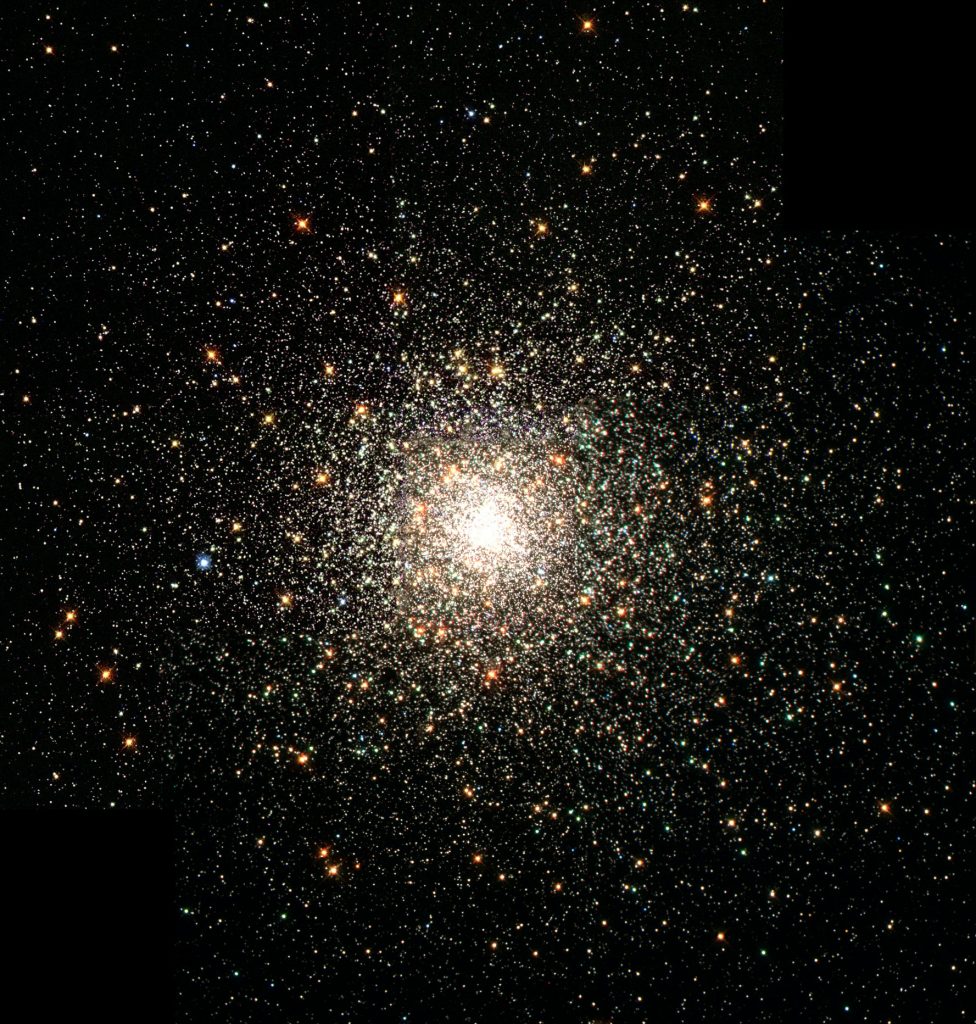
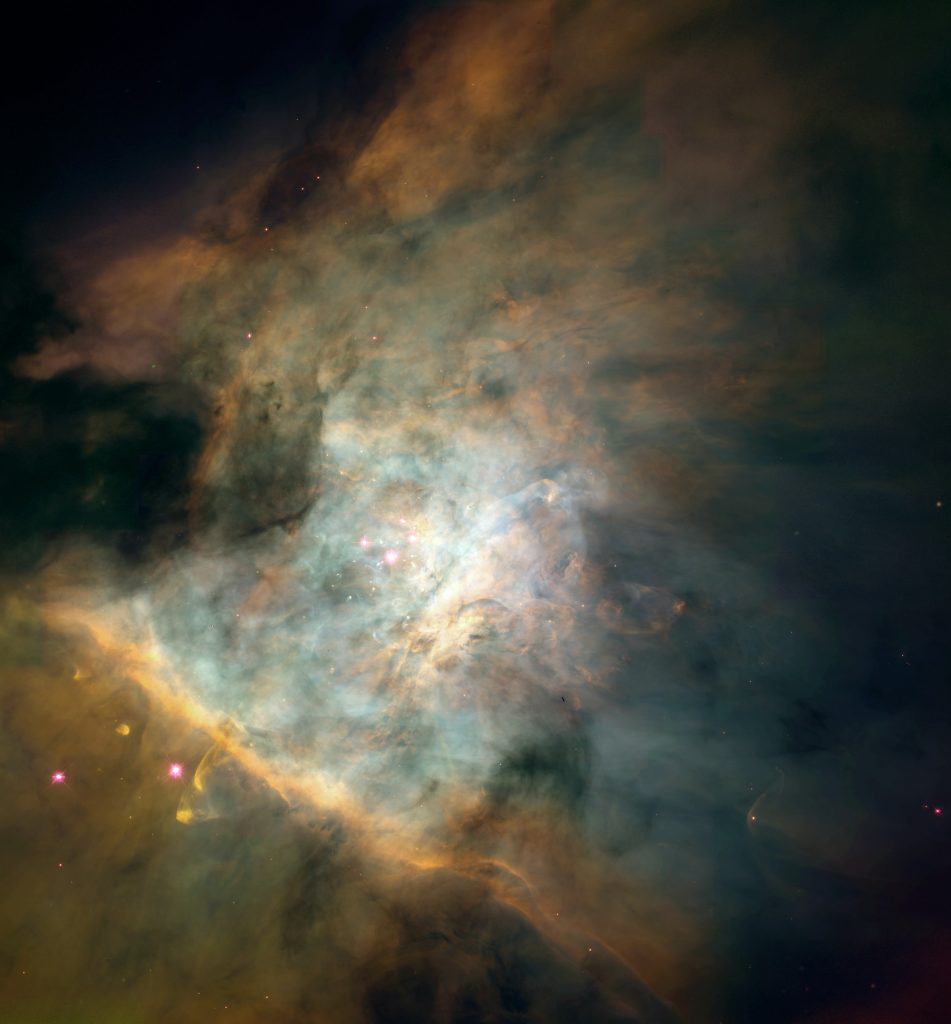
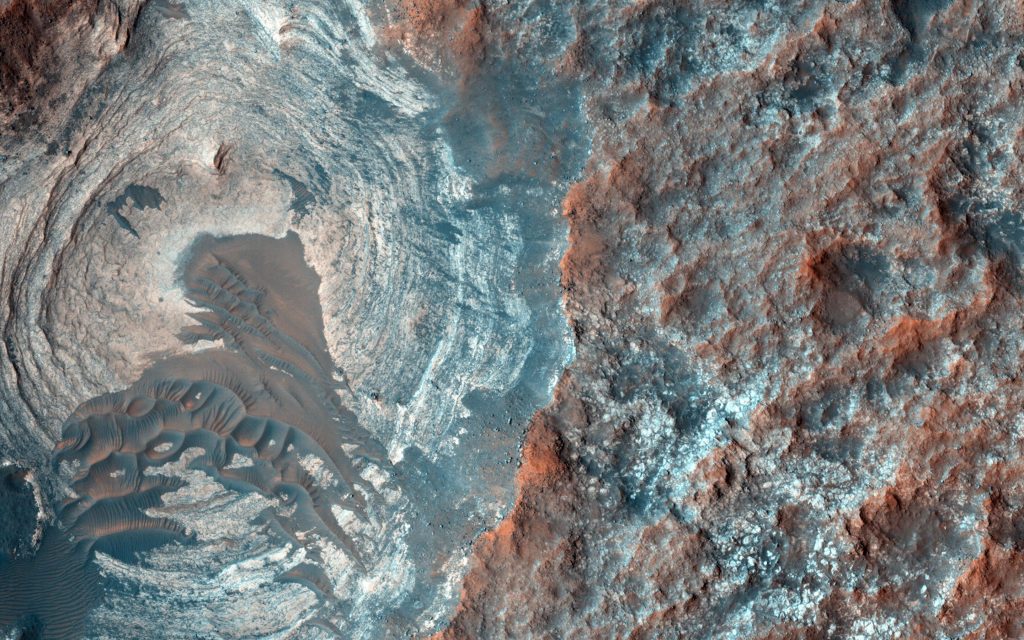
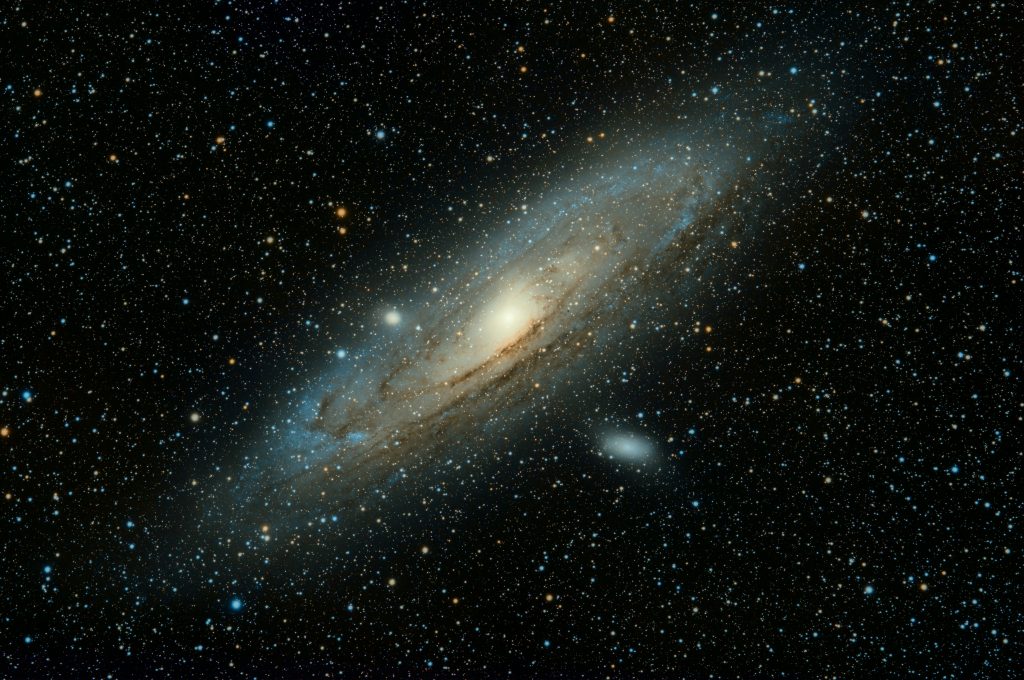
STAR CLUSTER
Just how it sounds, a star cluster is a bound group of stars. Young clusters contain fewer stars with more distance between them. As a cluster gets older, the stars move closer together, united by gravity. You can see some star clusters in the night sky with the naked eye. One is the constellation Seven Sisters, another’s inside the constellation Cancer. The closest star cluster, Hyades, is just 153 light-years from earth and you can see it inside the constellation Taurus.
NEBULA
The word nebula is Latin for cloud, which is also a perfect description. Images of nebulae from space are beautiful and other-wordly. They occur when dust, hydrogen, or ionized gases come together to form a cloud in space. There’s one visible to the naked-eye, the Orion Nebula. It’s positioned inside the Orion constellation, just below the belt of three stars.
MARS
Doesn’t this look like it could be a picture of deserts on Earth? This one is from the Mars Reconnaissance Orbiter, taken back in 2015. It shows the dunes in a desert on the surface of the planet.
ANDROMEDA GALAXY
Our nearest neighboring galaxy, just 2.5 million light years away. Early astronomers first observed it in the 10th century, calling it a nebulous smear. Continued study through the centuries led to the first observation of a supernova in the 19th century. Not until 1925 was it identified as a separate galaxy by Edwin Hubbard, using his Hooker telescope.
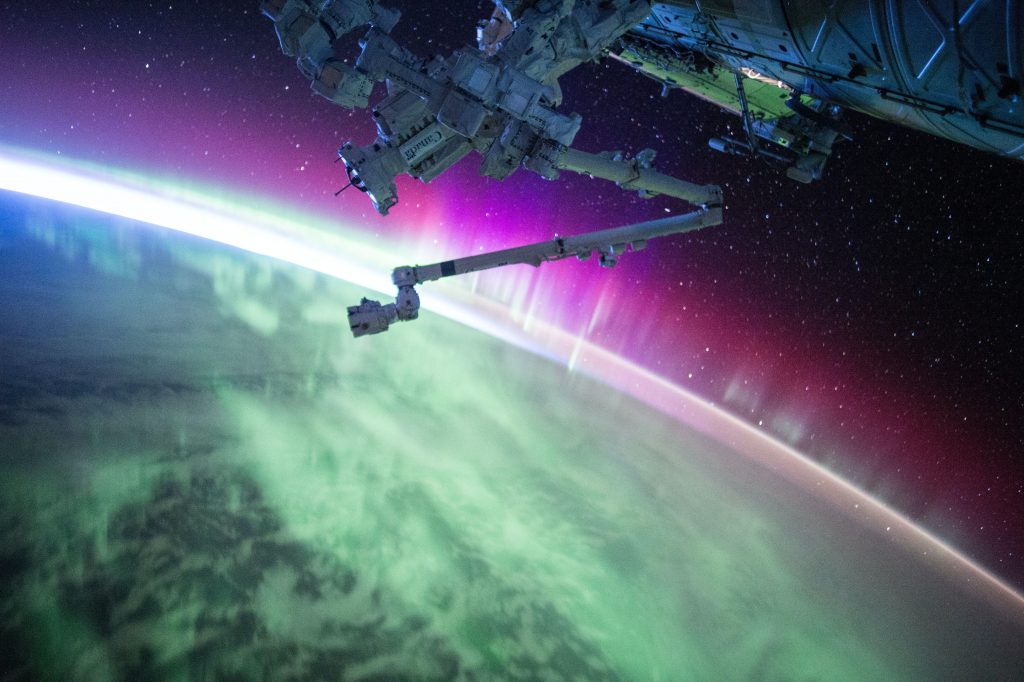
AURORA BOREALIS
When solar wind hits the upper atmosphere of earth, it changes the paths of particles, creating beautiful light shows visible both from the surface of the planet and outer space.
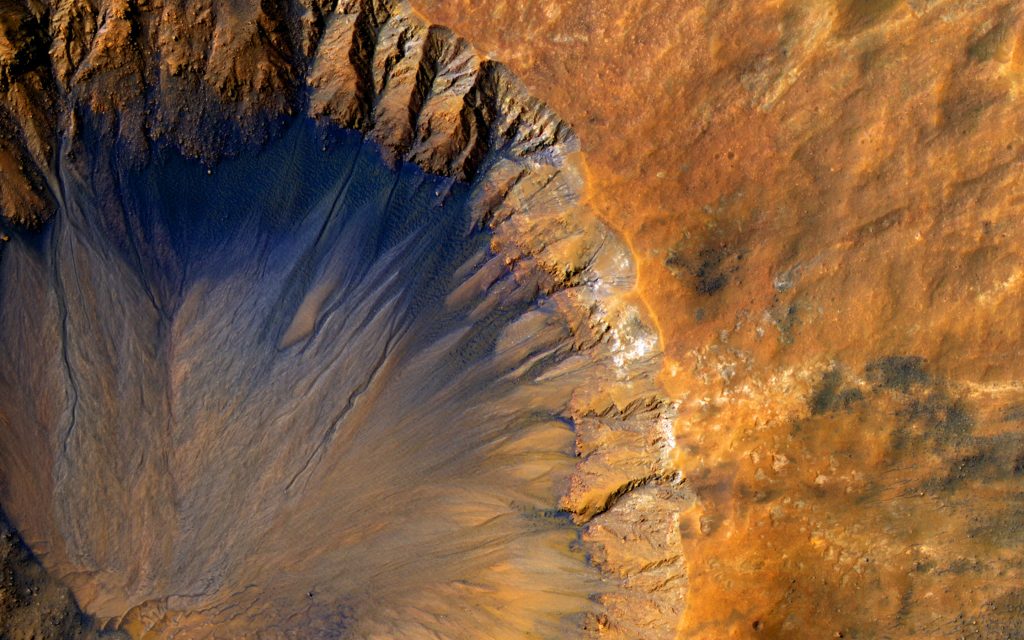
SIRENUM FOSSAE, MARS
There are several long troughs on the surface of Mars, called fossae. Gullies appear throughout the Sirenum Fossae, formed by frozen carbon dioxide running like water down the faces of dunes and craters.
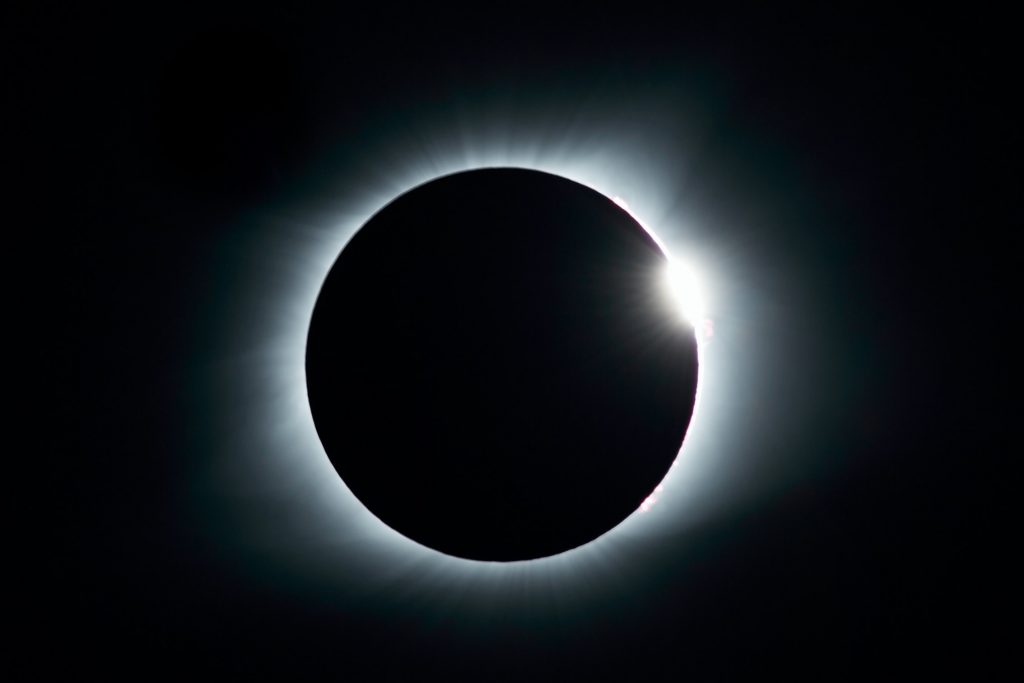
TOTAL SOLAR ECLIPSE
In 2017, the northern hemisphere of Earth observed a total solar eclipse, which happens when the orbit of the moon brings the Earth into perfect alignment with the Sun and Moon. There’s between 2 and 5 eclipses every year, with an average of 240 per century. The next time there will be 5 eclipses in a single year will be in 2206.
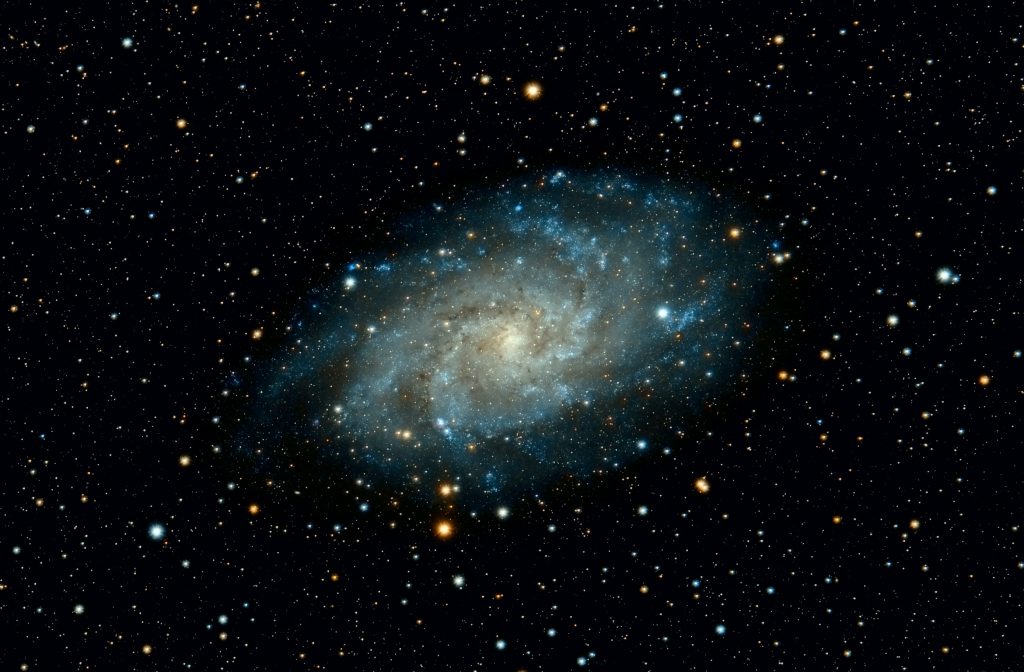
TRIANGULUM GALAXY
The most distant permanent celestial body that’s visible to the naked eye, it’s smaller than both the Milky Way and Andromeda. It’s moving toward the Andromeda galaxy, leading astronomers to believe it’s a satellite of the larger galaxy.
Comments
Post a Comment
No spam links